Game Pad Line Icon: Joystick, Controller — A Visual Tool for Technology and Hobby Concepts
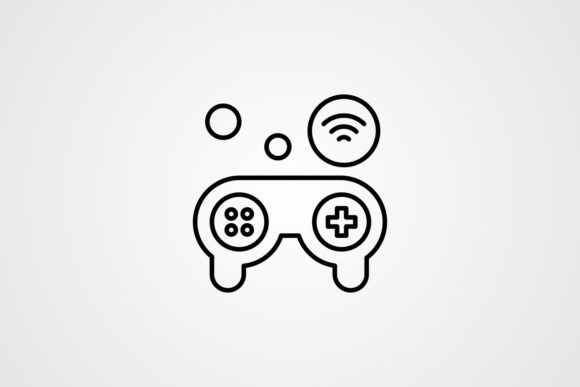
The Game Pad Line Icon—often associated with the joystick and controller—is more than a decorative graphic. It serves as a functional visual element in digital design, particularly when representing gaming, entertainment, and interactive technology. Whether used in a mobile app, website interface, or marketing material, this icon type helps communicate ideas related to play, control, and user interaction. For professionals working in design, marketing, or development, understanding how to effectively use and integrate this icon into broader workflows can enhance both usability and aesthetic appeal.
Understanding the Role of Game Pad Line Icons in Design and Technology
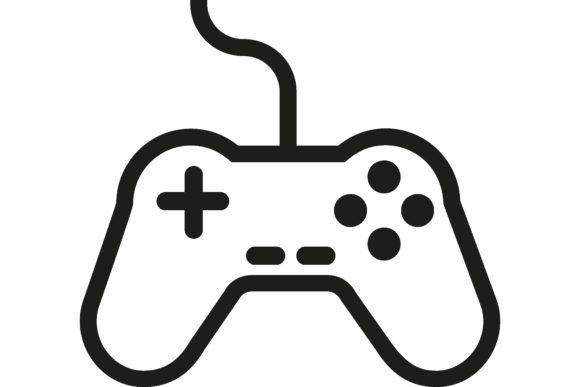
At its core, the game pad line icon is a simplified vector graphic that represents a game controller or joystick. Its clean lines and minimalistic form make it ideal for use in UI/UX design, infographics, presentations, and branding materials. These icons are commonly used in contexts that involve:
- Interactive entertainment platforms
- Video game development and promotion
- Mobile app navigation systems
- Technology-related educational tools
- Marketing campaigns for gaming hardware or software
Because of their visual clarity and recognizability, line icons like the game pad are especially useful in scenarios where simplicity and scalability matter. They maintain quality at different sizes and work well across both light and dark backgrounds, making them versatile for responsive design practices.
Using Game Pad Line Icons Across the Project Lifecycle
Designers and developers can incorporate the joystick and controller line icons at various stages of a project. Here's how they can be strategically used:
Before a Project: Planning and Conceptualization
During the early stages of a project—such as when designing a new mobile game or building a tech product interface—these icons help in wireframing and mockup creation. They serve as placeholders that communicate function and intent before final assets are developed. For example, a designer might use a game pad icon in a prototype to indicate a "Play" or "Control" function, helping stakeholders visualize the user experience.
During Development: UI/UX Integration
As the project moves into the development phase, the controller line icon becomes part of the actual interface. It might be used as a button graphic, a status indicator, or a navigational element. Developers and UI designers should ensure the icon is scalable and accessible, using SVG formats where possible for crisp rendering across devices.
When integrating these icons into codebases, it's important to maintain consistency in style. If other icons in the design system are line-based, the game pad should match in stroke weight, color palette, and corner radius to preserve visual harmony.
After Launch: Marketing and Documentation
Once a product is live, these icons can support marketing efforts. They may appear in promotional banners, feature highlights, or explainer videos. Additionally, in documentation or tutorial content, the joystick line icon can help users understand control schemes or interface navigation.
How Game Pad Line Icons Interact with Other Design Elements
Icons don’t exist in isolation. The game pad line icon must coexist with typography, color schemes, layout structures, and other visual assets. Here's how to ensure it works well within a broader design system:
- Consistency: Use a unified icon set to maintain visual rhythm. Mixing line icons with solid icons can create visual noise unless intentionally designed.
- Accessibility: Ensure sufficient contrast between the icon and its background. This is especially important for users with visual impairments.
- Context: Place the icon where it makes intuitive sense. If it represents a game control, it should appear near related actions or within a clearly labeled section.
- Interactivity: When used as a button or clickable element, pair it with hover effects, tooltips, or labels to enhance usability.
For developers, tools like Figma, Sketch, or Adobe XD allow for easy integration and testing of these icons within live prototypes. Many design platforms also support auto-scaling and export to multiple formats, which simplifies implementation across web and mobile environments.
Practical Tips for Implementing Game Pad Line Icons
Here are several actionable tips for professionals looking to use joystick and controller line icons effectively:
- Choose the Right Format: SVG is ideal for line icons due to its scalability and small file size. For older platforms, PNG may be necessary, but always use high-resolution versions.
- Optimize for Performance: Minify SVG code or compress PNG files to reduce load times without sacrificing quality.
- Use Semantic Naming: Name your icon files consistently (e.g., "icon-gamepad-line.svg") to make them easier to locate and manage in larger projects.
- Group Related Icons: Organize icons into folders or design system categories (e.g., "navigation," "controls," "entertainment") for easier reuse.
- Test Across Devices: Always preview how the icon looks on different screen sizes and resolutions to ensure legibility and clarity.
Integrating Into Broader Workflows
Whether you're a marketer, educator, or developer, the game pad line icon can be integrated into your workflow with minimal effort. Here's how different professionals can use it:
- Marketers: Use the icon in social media posts, landing pages, or email campaigns to represent gaming-related content or interactive features.
- Educators: Incorporate it into e-learning modules to visually represent game-based learning or interactive quizzes.
- Developers: Embed it in apps or websites as a UI element for navigation, control panels, or settings menus.
- Freelancers: Offer icon customization services to clients who need a consistent visual language across their digital products.
By treating the icon as part of a larger design ecosystem, rather than an isolated graphic, professionals can ensure a more cohesive and user-friendly experience.
Long-Term Considerations and Scalability
As projects evolve, so should your visual assets. The controller line icon should be revisited during design system audits or brand refreshes. Consider the following for long-term success:
- Version Control: Keep track of icon updates in a design repository or asset management tool.
- Scalability: Ensure that icons are part of a flexible design system that can grow with your product or brand.
- Feedback Loops: Gather user feedback on icon clarity and usability, especially in applications where interaction is key.
- License Compliance: If using third-party icon sets, confirm that you have the appropriate license for commercial use and redistribution.
By maintaining a consistent and thoughtful approach to icon use, professionals can ensure that the joystick line icon continues to serve its purpose effectively over time.