Green Rock Icon: A Versatile Cartoon Game Ground Element for Digital Design
Understanding the Role of Green Rock Icon in Game Design
As digital landscapes evolve, so does the demand for visually engaging and contextually relevant design elements. Among these, the Green Rock Icon stands out as a flexible and appealing cartoon game ground element. Whether used in 2D platformers, isometric worlds, or educational software, this icon contributes to a cohesive and immersive visual experience.
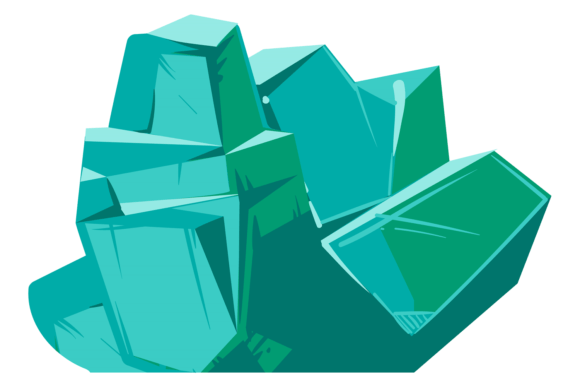
Isolated on a white background, the Green Rock Icon is typically available in multiple formats—EPS, JPG, and transparent PNG—making it adaptable for both print and digital applications. Its cartoonish aesthetic allows for seamless integration into stylized environments without overwhelming the scene. This makes it a preferred choice for developers and illustrators aiming to maintain a playful yet realistic tone in their projects.
Key Characteristics of Green Rock Icon
What sets the Green Rock Icon apart from standard rock graphics is its stylized, hand-drawn appearance. Unlike photorealistic textures, this icon uses soft contours, muted gradients, and a natural green palette to simulate rocky terrain with a whimsical touch. The design is intentionally simplified, allowing for easy scaling and compatibility with various resolutions.
Its cartoon rendering ensures that it fits well within both low-poly and high-detail environments. For example, in a mobile game where performance is key, the Green Rock Icon can be used to build terrain without taxing device resources. In contrast, in a more detailed PC or console game, it can serve as a foundational texture that complements more complex visual layers.
Applications Across Industries
While the Green Rock Icon. Cartoon Game Ground Ele is commonly associated with game development, its applications extend into other creative and educational domains. Designers working on children’s books, educational apps, and even architectural visualization projects have found value in incorporating this element into their compositions.
In educational software, the Green Rock Icon can be used to represent terrain features in geography lessons or to create interactive maps for young learners. Its visual clarity and simplicity make it an ideal choice for conveying information without distraction. Similarly, in architectural visualization, it can be used to populate concept renders of outdoor spaces, offering a stylized yet realistic representation of natural elements.
Use in Mobile and Browser-Based Games
One of the most common applications of the Green Rock Icon is in mobile and browser-based games. These platforms often require lightweight assets that can be rendered quickly without compromising visual appeal. The Green Rock Icon fits this need perfectly, offering a balance between detail and performance efficiency.
Developers working on puzzle games, adventure titles, or simulation games often use the Green Rock Icon as part of the terrain layer. For example, in a puzzle game where players must navigate a character across a rocky landscape, the icon can be repeated and layered to create a sense of depth and continuity. Its transparent PNG format allows for easy blending with background elements, ensuring a smooth visual transition between different terrain types.
Technical Considerations When Using Green Rock Icon
When integrating the Green Rock Icon. Cartoon Game Ground Ele into a project, several technical considerations come into play. First, understanding the file formats available—EPS, JPG, and transparent PNG—is crucial for ensuring compatibility with different design tools and platforms. While EPS files are ideal for vector-based editing and scaling, transparent PNGs are best suited for digital compositing where background integration is essential.
Another important factor is the resolution and scaling behavior of the asset. Since the Green Rock Icon is often used as a repeating tile or background element, maintaining visual consistency across scaled versions is vital. Designers should test the icon at various sizes to ensure it remains recognizable and effective in both close-up and wide-angle views.
Optimizing for Different Art Styles
One of the strengths of the Green Rock Icon is its adaptability to different art styles. Whether the project leans toward a minimalist aesthetic or a richly detailed world, this icon can be adjusted in color, texture, and placement to fit the desired visual tone. For instance, in a minimalist game, a single Green Rock Icon might be used sparingly to suggest terrain without overloading the scene.
Conversely, in a more detailed environment, the icon can be combined with other cartoon-style ground elements—such as grass patches, dirt mounds, or mossy stones—to create a layered and dynamic landscape. This modular approach allows developers and artists to build complex scenes without starting from scratch each time.
Best Practices for Implementation
Successfully incorporating the Green Rock Icon into a design project involves more than just placing the image on a canvas. It requires thoughtful planning and an understanding of how the icon interacts with surrounding elements. Here are some best practices to consider:
- Layering: Use multiple instances of the Green Rock Icon at varying opacities and angles to create depth and dimensionality.
- Color Adjustment: Experiment with hue and saturation settings to ensure the icon blends seamlessly with the overall color scheme of the scene.
- Animation Compatibility: If the project includes movement or dynamic backgrounds, test the icon in motion to ensure it maintains visual clarity and does not cause flickering or distortion.
- Responsive Design: In web-based applications, ensure that the icon scales appropriately across different screen sizes and resolutions.
By following these practices, designers can maximize the utility and aesthetic value of the Green Rock Icon across a wide range of applications.
Where to Source High-Quality Green Rock Icons
Given the popularity of the Green Rock Icon in digital design, it’s widely available from various online marketplaces and design asset repositories. However, not all icons are created equal. To ensure quality and usability, it’s important to source icons from reputable providers that offer clean vector files and transparent PNG options.
Designers should also pay attention to licensing terms. Some icons may be available under royalty-free licenses, while others require attribution or limit usage to specific projects. Always verify the license before incorporating the icon into commercial or public-facing applications.
Conclusion
The Green Rock Icon. Cartoon Game Ground Ele is more than just a decorative graphic—it’s a foundational asset that enhances visual storytelling and user engagement across multiple industries. Whether used in game development, educational content, or digital illustration, its versatility and stylistic appeal make it a valuable tool for designers and developers alike.
By understanding its characteristics, optimizing its implementation, and sourcing it responsibly, creators can ensure that the Green Rock Icon contributes meaningfully to their projects. As design trends continue to embrace stylized, approachable aesthetics, this cartoon game ground element is likely to remain a staple in the toolkit of digital artists worldwide.