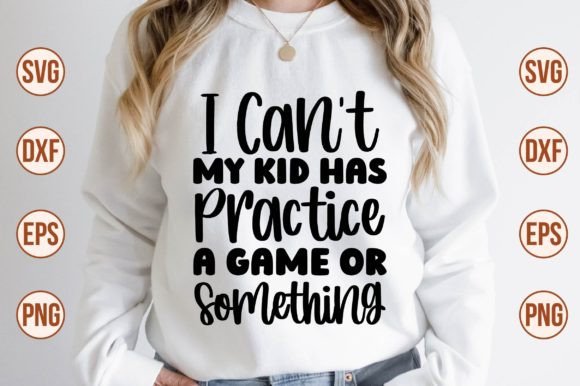
I Can't My Kid Has Practice a Game or So – A Fun Design for Busy Parents
Life as a parent is a constant juggle of school, playdates, and extracurricular activities. If you've ever found yourself muttering, "I can't, my kid has practice or a game or so," you're not alone. This lighthearted phrase has become a popular design for t-shirts, mugs, and digital art, especially among parents who want to celebrate their child's activities while embracing the chaos of their schedule. The design is not only relatable but also versatile, available in high-quality formats like 300 dpi transparent background files, EPS vector files, DXF AutoCAD files, and more.
Why This Design Appeals to So Many
The phrase “I Can’t My Kid Has Practice a Game or So” resonates because it’s honest and humorous. It speaks to the reality of modern parenting—where your calendar revolves around your child’s sports, music lessons, or dance rehearsals. Whether you're a stay-at-home parent, a working professional, or a small business owner trying to balance family and career, this design offers a way to connect with others who understand the daily grind.
Its popularity has led to a surge in digital downloads and customizable templates compatible with Cricut, Silhouette, Inkscape, Adobe Photoshop, and Illustrator. This makes it easy for creators, marketers, and hobbyists to personalize the design for print-on-demand items, social media graphics, or custom merchandise.
Common Mistakes When Choosing or Using This Design
While the design itself is simple and charming, there are several pitfalls people often fall into when selecting or applying it to their projects. Avoiding these mistakes can make a big difference in the final product's quality and usability.
1. Choosing the Wrong File Type
One of the most common errors is downloading the wrong file format. If you're planning to cut the design with a Cricut or Silhouette machine, you'll want the DXF or SVG file. For print use, a 300 dpi transparent background PNG is ideal. Using a low-resolution JPG for a large print job, for example, can result in blurry images and poor presentation.
Better Approach: Always check your intended use before downloading. If you're unsure, look for a package that includes multiple formats—like EPS, DXF, and high-res PNG—so you're covered for any project.
2. Overlooking Compatibility
Another frequent oversight is assuming all design files work with every software. While EPS and DXF files are compatible with Adobe Illustrator and AutoCAD, they may not open correctly in simpler programs like Canva or basic photo editors. This can lead to frustration and wasted time trying to convert or fix the file.
Better Approach: Match the file type to your software. If you're using Silhouette Studio or Cricut Design Space, DXF or SVG is your best bet. For editing in Photoshop or Illustrator, go with EPS or AI files.
3. Ignoring Scalability
Vector files like EPS and SVG are scalable without losing quality, which is perfect for both small prints and large banners. However, many users opt for raster images (like PNG or JPG) and later discover that enlarging them leads to pixelation.
Better Approach: Use vector formats whenever possible, especially if you're planning to resize the design significantly. This ensures clarity and sharpness no matter how big or small you need it.
4. Underestimating the Power of Transparency
The transparent background option is a huge advantage for digital designers. It allows the phrase to be layered over photos, patterns, or other graphics without a distracting white box. But some users don’t realize that not all file types preserve transparency—especially if they're converted improperly.
Better Approach: Stick with PNG files for transparent backgrounds in raster formats. For vector transparency, ensure your software supports alpha channels or layer masks.
What to Check Before Downloading or Using the Design
Before you click “download,” take a moment to verify a few key points to ensure the design will work for your needs:
- File Format: Make sure it's compatible with your software and cutting machine.
- Resolution: Look for 300 dpi for print, or vector files for scalability.
- License: Check if the design can be used for commercial purposes if you're selling products.
- Editing Options: If you want to tweak colors or layout, choose editable formats like EPS or AI.
How to Use the Design Creatively
Once you've got the right file, the possibilities are nearly endless. Here are a few practical ideas:
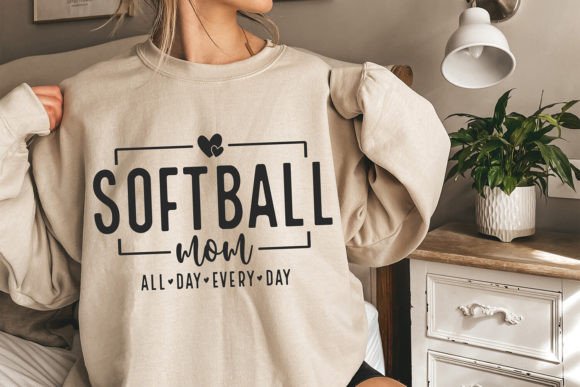
- Custom Apparel: Print on t-shirts, hoodies, or baseball caps for game day or family gatherings.
- Mugs and Accessories: Add a personal touch to coffee mugs, phone cases, or tote bags.
- Digital Graphics: Use the design in social media posts, blog headers, or email newsletters.
- Home Decor: Frame prints or use vinyl decals on walls for a playful home office or playroom accent.
Final Thoughts
The “I Can’t My Kid Has Practice a Game or So” design is more than just a catchy phrase—it's a reflection of modern parenting and a versatile tool for creative projects. Whether you're a blogger looking for engaging visuals, a small business owner creating custom merchandise, or a parent designing a shirt for the next game, understanding the right file types and usage methods can save you time, money, and frustration.
By choosing the correct format, respecting licensing terms, and considering your end-use, you’ll ensure your design looks professional and communicates your message clearly. So next time your child says they have practice or a game, you can smile and say, “Perfect, I’ve got a design for that.”