Stone Game UI Button Set Design Vector: Enhancing Digital Interfaces with Timeless Aesthetics
The Stone Game UI Button Set Design Vector has emerged as a compelling choice for designers aiming to infuse digital interfaces with organic textures and a grounded visual appeal. These assets, typically available in AI, EPS, JPG, and PNG formats, offer flexibility and scalability that cater to both web and print applications. As a design element, stone-textured buttons bring a tactile quality to interactive components, making them particularly relevant in gaming interfaces, interior design visualizations, and decor-themed digital experiences.
Understanding the Stone Game UI Button Set Design Vector
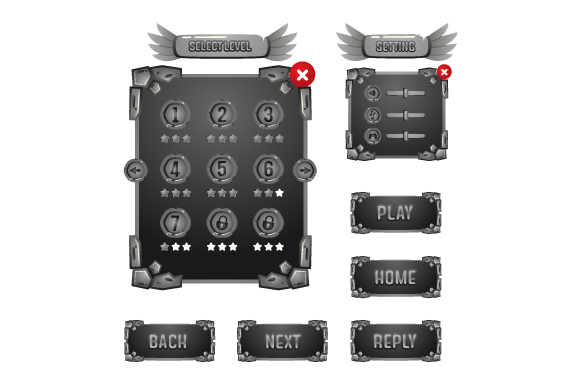
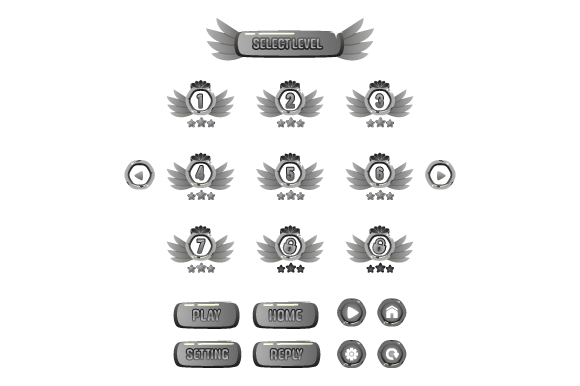
At its core, the Stone Game UI Button Set Design Vector is a collection of button graphics that mimic the look and feel of natural stone. These are often provided as vector files, allowing for seamless scaling without loss of quality. The set may include various button states—hover, active, disabled—ensuring that developers and UI designers can implement them across different interaction points within a digital product.
Each button is typically isolated on a white background, making it easy to integrate into a wide array of design projects. Whether used in a mobile game, a virtual interior design tool, or a digital decor catalog, these buttons provide a consistent visual language that bridges the gap between realism and digital interactivity.
Key Characteristics of Stone UI Buttons
- High Scalability: Vector-based formats ensure that buttons remain sharp and clear at any size, crucial for responsive design.
- Realistic Texture: The stone finish adds a tactile dimension, enhancing user engagement through visual depth.
- Versatile File Formats: Availability in AI, EPS, JPG, and PNG allows compatibility across design and development tools.
- Customizable Base: Vectors can be recolored, layered, or combined with other graphical elements to suit specific themes or branding guidelines.
Practical Applications Across Industries
The versatility of the Stone Game UI Button Set Design Vector makes it suitable for a wide range of applications. Here are some notable use cases:
- Gaming Interfaces: In game design, especially those with medieval, fantasy, or nature-based themes, stone-textured buttons enhance the immersive experience. They can be used for menus, inventory systems, or level selection screens.
- Interior Design Tools: Digital platforms that allow users to visualize home decor or architectural designs benefit from the natural aesthetic of stone buttons. These interface elements can mirror the materials being showcased, creating a cohesive design language.
- E-commerce for Decor Products: Online stores specializing in stone countertops, tiles, or garden decor can use these buttons to align the UI with the product offerings, reinforcing brand identity.
- Educational Platforms: Applications that teach design, architecture, or art history can use these buttons to maintain a thematic consistency in their UI, making the learning experience more engaging.
Advantages of Using Stone-Themed UI Buttons
Adopting a Stone Game UI Button Set Design Vector offers more than just visual appeal. Here are some strategic benefits that make these assets a valuable addition to a designer’s toolkit:
- Emotional Resonance: Natural textures like stone evoke a sense of stability and timelessness, which can subconsciously influence user perception of reliability and quality.
- Brand Differentiation: In a digital landscape dominated by sleek, minimalist designs, incorporating organic textures helps a brand stand out and feel more grounded.
- Improved User Interaction: Visually distinct buttons enhance usability by guiding users more intuitively through an interface, especially in complex applications.
- Cost and Time Efficiency: Pre-designed vector sets reduce the need for custom illustrations, allowing teams to focus on other aspects of UI/UX development.
Design Considerations When Implementing Stone Buttons
While the Stone Game UI Button Set Design Vector offers numerous benefits, successful implementation requires thoughtful design decisions:
- Color Harmony: Ensure that the stone tones complement the overall color scheme of the interface. Neutral shades like gray and beige are common in stone textures, making them adaptable, but contrast should still be considered for accessibility.
- Consistency: Maintain visual consistency by using stone buttons alongside other design elements that share a similar aesthetic, such as parchment backgrounds or wood textures.
- Performance Optimization: While vectors are scalable, exporting them to optimized PNGs for web use can help maintain performance without sacrificing quality.
- User Context: Consider the target audience. Stone textures may appeal more to users in architecture, design, or gaming industries than to those in tech or finance sectors.
Integration Workflow for Designers and Developers
For designers and developers, integrating the Stone Game UI Button Set Design Vector into a project involves several key steps:
- Asset Selection: Choose the appropriate button states and formats based on the platform and interaction requirements.
- Editing and Customization: Use tools like Adobe Illustrator or Figma to adjust colors, add effects, or combine buttons with other UI components.
- Exporting for Web or Mobile: Convert vector files to optimized PNG or SVG formats to ensure fast loading and responsive behavior.
- Implementation: Embed the buttons into HTML/CSS frameworks or game engines, ensuring that hover and active states are properly linked to user actions.
Comparing Stone Buttons with Other UI Button Styles
Understanding how stone-themed buttons compare to other common UI styles can help in making informed design decisions:
- Flat Design Buttons: Minimalist and modern, flat buttons lack texture but offer a clean, uncluttered interface. Stone buttons, by contrast, provide visual richness at the expense of simplicity.
- Glossy or Glassmorphism Buttons: These styles emphasize transparency and light effects, often used in futuristic or tech-forward interfaces. Stone buttons offer a more earthy, grounded alternative.
- Wood or Fabric Textured Buttons: Similar in concept to stone, these textures cater to different themes—wood for rustic or organic interfaces, fabric for soft or luxurious aesthetics.
Each style serves a different purpose and audience. The Stone Game UI Button Set Design Vector is particularly effective when the goal is to evoke durability, tradition, or a connection to nature.
Future Trends in Textured UI Elements
As digital interfaces evolve, there is a growing interest in blending realism with digital interactivity. Trends such as neumorphism, textured gradients, and material-based design systems indicate a shift toward more tactile and emotionally resonant interfaces. In this context, the Stone Game UI Button Set Design Vector represents a bridge between traditional aesthetics and modern functionality.
Designers are increasingly experimenting with layered textures, combining stone with lighting effects or animated transitions to create dynamic UI elements. As tools like Figma and Adobe XD continue to support advanced texture mapping and real-time prototyping, the use of natural textures like stone is expected to grow in both gaming and professional design applications.
Conclusion
The Stone Game UI Button Set Design Vector is more than a decorative asset—it is a functional design element that enhances user experience through visual depth and thematic consistency. Whether applied in a game menu, a design visualization tool, or a decor-focused e-commerce site, these buttons offer a unique blend of practicality and aesthetic appeal. By understanding their characteristics, applications, and integration workflows, designers and developers can leverage this versatile resource to create interfaces that are both engaging and meaningful.