The Timeless Appeal of Vintage Game Consoles and the Art of Line Art Coloring
For many, the pixelated graphics and chunky controllers of vintage game consoles represent more than just outdated technology—they're a gateway to nostalgia, creativity, and a unique aesthetic that continues to influence modern design and entertainment. Alongside the resurgence of retro gaming hardware, a parallel trend has emerged in the world of art: line art coloring of vintage consoles. This practice combines appreciation for classic gaming hardware with the creative freedom of digital or manual coloring, offering a fresh way to engage with the past.
Whether you're a long-time gamer, a digital artist, or simply someone drawn to retro aesthetics, understanding the intersection between vintage game consoles and line art can open up new avenues for expression and appreciation of gaming history.
What Makes Vintage Game Consoles So Iconic?
Vintage game consoles, such as the Nintendo Entertainment System (NES), Sega Genesis, Atari 2600, and PlayStation 1, were not just entertainment devices—they were cultural milestones. Each system introduced groundbreaking technology, memorable characters, and gameplay mechanics that shaped the future of the industry.
- Design: The boxy, angular forms of early consoles were designed for functionality, but they've become instantly recognizable symbols of their era.
- Sound and Graphics: The 8-bit and 16-bit audio and visuals, while primitive by today’s standards, created a distinct sensory experience that still resonates with fans.
- Legacy: These consoles launched franchises like Super Mario, Sonic the Hedgehog, and Final Fantasy—series that continue to thrive today.
The physicality of these consoles—the cartridge slots, reset buttons, and RGB color schemes—makes them visually compelling subjects for artists and designers alike.
Line Art Coloring: A Creative Outlet for Nostalgia
Line art coloring is an artistic technique where outlines of a subject are drawn in black ink or digital strokes, leaving the interior spaces blank for coloring. This method has gained popularity in adult coloring books and digital art communities, offering both relaxation and creative freedom.
When applied to vintage game consoles, line art becomes a bridge between technology and art. Artists can either create original line drawings of classic consoles or use digital templates to produce intricate outlines ready for personalization.
- Step 1: Select a reference image or use a pre-made line art template of a console like the SNES or Game Boy.
- Step 2: Print or open the image digitally for coloring.
- Step 3: Choose a medium—colored pencils, markers, or digital brushes—and begin filling in the design.
This process allows artists to reinterpret classic hardware in vibrant, imaginative ways, while also reconnecting with childhood memories tied to these devices.
Why Vintage Game Console Line Art Resonates Today
In a world dominated by high-resolution screens and wireless controllers, the simplicity and tactile nature of vintage game consoles stand out. Line art coloring taps into this appeal by encouraging a slower, more intentional form of creativity that contrasts with fast-paced digital consumption.
Here are a few reasons why this trend has taken off:
- Nostalgia: For those who grew up with these consoles, coloring line art can be a meditative way to revisit cherished memories.
- Customization: Artists can reimagine classic consoles in new color schemes, adding a personal twist to iconic designs.
- Accessibility: Unlike complex digital illustrations, line art coloring is approachable for all skill levels, making it ideal for casual creators.
- Community: Online platforms like Instagram and Pinterest have fostered communities where people share their finished pieces and inspire others.
How to Get Started with Vintage Game Console Line Art
If you're interested in exploring this creative hobby, here are some practical steps to begin:
1. Choose Your Console
Start by picking a console that holds personal significance or visual appeal. Popular choices include the NES, Game Boy, PlayStation 1, and Sega Genesis. Each has a unique silhouette and design language that translates well into line art.
2. Find or Create Line Art
You can either download free templates from art-sharing sites or create your own using vector illustration tools like Adobe Illustrator or free alternatives like Inkscape. Tracing a photo of the console is a great way to build accuracy into your line art.
3. Pick Your Medium
Some artists prefer traditional tools like colored pencils or watercolors, while others opt for digital apps like Procreate or Adobe Fresco. Both approaches offer distinct textures and effects, so choose based on your comfort and desired outcome.
4. Add Context or Details
Enhance your piece by incorporating game cartridges, controllers, or even iconic characters like Mario or Link into the background or border of your line art. This adds narrative depth and makes the artwork more engaging.
Applications Beyond Art: Education and Marketing
The appeal of vintage game console line art isn't limited to individual creators. Educators and marketers have also found value in this style:
- Classroom Projects: Teachers use line art to engage students in lessons about the history of technology, design, and media literacy.
- Marketing Campaigns: Retro-themed game re-releases or merchandise often incorporate line art visuals to evoke a sense of authenticity and nostalgia.
- DIY Culture: Makers and crafters print line art on t-shirts, mugs, and posters, turning their love for vintage consoles into wearable or displayable art.
Choosing the Right Vintage Console for Your Art
Not all consoles are created equal when it comes to visual interest. Here’s a quick guide to help you pick the best subject:
- NES: Simple, bold lines and a clean white-and-gray color scheme make it easy to stylize.
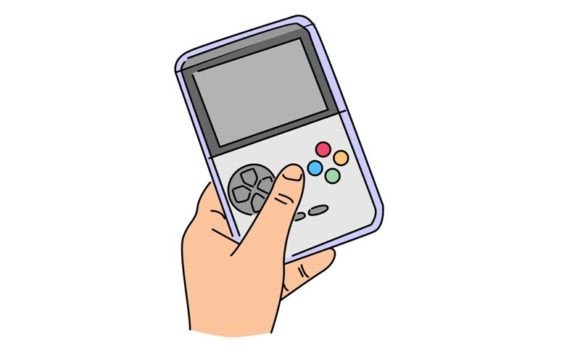
- Game Boy: Its compact shape and screen cutout offer a fun challenge for shading and depth.
- PlayStation 1: The curvy design and iconic logo make it stand out in a collection of boxy consoles.
- Sega Genesis: Angular and aggressive in appearance, it’s a great choice for dynamic compositions.
Consider sketching a few different consoles before settling on one. You may find that certain designs inspire more creativity than others.
Final Thoughts: The Fusion of Gaming and Art
The world of vintage game consoles and line art coloring may seem niche at first glance, but it represents a powerful convergence of technology, memory, and self-expression. Whether you're reliving your childhood or discovering classic consoles for the first time, coloring line art offers a unique way to connect with gaming history.
As retro gaming continues to thrive and digital art tools become more accessible, the trend of line art coloring shows no signs of slowing down. It's a testament to how the past can inspire the present—and how a simple black-and-white outline can spark a burst of color, creativity, and joy.