Tech Aiming Control: Game Screen Interface Explained
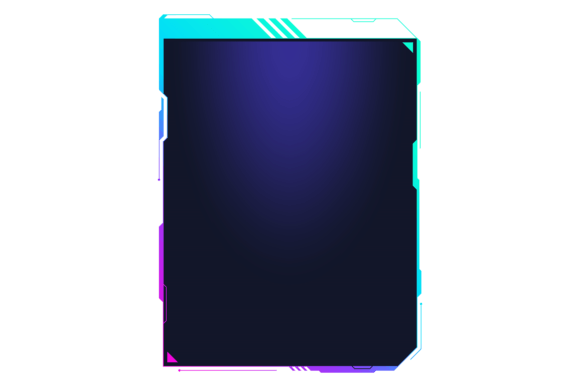
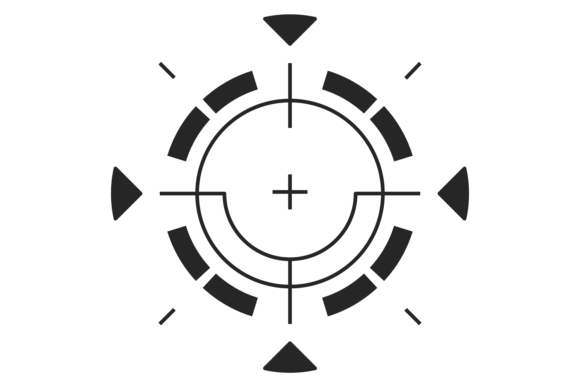
When it comes to game design, user experience, or digital content creation, the term Tech Aiming Control. Game Screen Interfa may seem cryptic at first glance. But for those involved in gaming, UI/UX design, or digital asset creation, it represents a crucial visual component: a game screen interface element used to represent or manipulate aiming mechanics in software or game environments. This interface element is often isolated on a white background and available in various file formats like EPS, JPG, SVG, or transparent PNG—making it versatile for different design and development workflows.
What Exactly Is Tech Aiming Control. Game Screen Interfa?
In practical terms, Tech Aiming Control. Game Screen Interfa refers to a graphical representation of a control interface used in games or simulations that involve aiming—such as shooting games, targeting systems, or precision-based gameplay. It's typically a UI asset that can be embedded into design mockups, prototypes, or actual game builds. The element is often stylized to reflect digital or futuristic aesthetics, and it's commonly used by developers, designers, and content creators who need a ready-made visual to convey interaction or control within a game environment.
These interface elements are often distributed in multiple file formats to suit various needs: SVG for scalable vector graphics, PNG with transparency for clean integration into layered designs, JPG for general-purpose use, and EPS for high-resolution print or illustration work.
Why It Matters to Different Users
The relevance of Tech Aiming Control. Game Screen Interfa varies widely depending on the user's role and goals:
- Beginners may use it as a learning tool to understand UI/UX design principles in game development.
- Experienced developers might integrate it into prototypes or final builds to streamline interface design.
- Graphic designers can incorporate it into concept art, mockups, or promotional materials.
- Educators may use it in teaching materials to demonstrate game mechanics or digital design workflows.
- Entrepreneurs building game-related products might leverage these assets to speed up development or enhance visual appeal.
- Content creators could use the interface in tutorials, videos, or blog posts explaining game design or UI concepts.
How Different Users Evaluate This Interface Element
Depending on your background and goals, the way you assess and use Tech Aiming Control. Game Screen Interfa will vary. Here's how different groups might approach it:
Beginners and Learners
If you're just starting out in game design or UI development, this interface element offers a tangible example of how controls are visually represented. You might use it in a design project to understand layout, scaling, and responsiveness. For instance, placing the Tech Aiming Control. Game Screen Interfa in a mockup can help you see how interface elements align with gameplay mechanics. Beginners often prioritize ease of use and learning value, so having a clear, well-documented asset is key.
Professional Developers
For seasoned developers, time is money. You might look for high-quality, scalable versions of Tech Aiming Control. Game Screen Interfa that can be dropped directly into a project without requiring extensive modification. SVG and transparent PNG versions are especially valuable for maintaining quality across different screen sizes and resolutions. You’ll care about flexibility, reliability, and integration speed.
Graphic Designers and Artists
Designers working on game assets or promotional visuals may use Tech Aiming Control. Game Screen Interfa as a stylistic element. You might overlay it on concept art or use it in a UI/UX presentation to show how aiming controls fit into a larger interface. For you, presentation quality and visual consistency are important. You may also appreciate the ability to edit vector formats like EPS or SVG for customizations.
Educators and Trainers
Teaching game design or digital media? Tech Aiming Control. Game Screen Interfa can be a useful visual aid. You might use it in slide decks or handouts to illustrate how interface design supports gameplay mechanics. Your focus will likely be on educational value and clarity. A transparent PNG version could be ideal for inserting into instructional materials without distracting backgrounds.
Business Owners and Entrepreneurs
If you're launching a game or tech product, you need visuals that communicate your product's interface clearly. Tech Aiming Control. Game Screen Interfa could be used in investor decks, marketing materials, or early prototypes. You’ll want to ensure that the interface looks professional and aligns with your product’s aesthetic. Here, commercial value and brand consistency are top priorities.
Consumers and Hobbyists
Even non-professionals can benefit from Tech Aiming Control. Game Screen Interfa. If you're a hobbyist modder, you might use it to customize a game’s interface or create a mod with a more modern look. You might also use it in a personal project, like a game design portfolio or a YouTube video explaining how game interfaces work. For you, creativity and personalization matter most.
Key Considerations When Choosing This Interface Element
Whether you're a designer, developer, or educator, certain factors will influence your choice of Tech Aiming Control. Game Screen Interfa:
- File Format: SVG and EPS are ideal for scalability and editing, while PNG offers transparency and JPG is best for general image use.
- Resolution and Quality: High-resolution versions ensure your design looks sharp on all devices and platforms.
- Customizability: Vector formats allow for color changes, resizing, and integration into larger interface systems.
- Licensing: Make sure the asset is free to use or properly licensed for your intended purpose, especially in commercial settings.
- Aesthetic Fit: The design should match the visual style of your project—whether futuristic, minimalist, or retro.
Real-World Examples of Use
Here are a few examples of how different users might apply Tech Aiming Control. Game Screen Interfa in practice:
- Game Developer: Integrates the SVG version into a Unity or Unreal Engine UI system to prototype aiming controls before final art is ready.
- UI/UX Designer: Uses the transparent PNG in a Figma mockup to show how aiming mechanics will appear on a mobile screen.
- Marketing Team: Inserts the JPG version into a pitch deck to visually explain gameplay features to investors.
- Teacher: Displays the element in a classroom slide to explain the importance of intuitive interface design in gaming.
- YouTube Creator: Uses the image in a video thumbnail or overlay to visually represent aiming mechanics in a tutorial.
Does Tech Aiming Control. Game Screen Interfa Fit Your Needs?
If you're involved in game design, UI development, digital art, or teaching digital media, Tech Aiming Control. Game Screen Interfa can be a valuable asset. It offers flexibility, visual clarity, and relevance across multiple platforms and use cases. Whether you're a beginner learning the ropes or a professional streamlining your workflow, this interface element can help you communicate, prototype, or enhance your project's visual and functional design.
Before downloading or purchasing, consider your project type, technical requirements, and desired visual style. If you need a scalable, editable, and aesthetically modern aiming interface, this element is likely a solid choice. If not, you may want to look for more specialized or custom-designed alternatives.